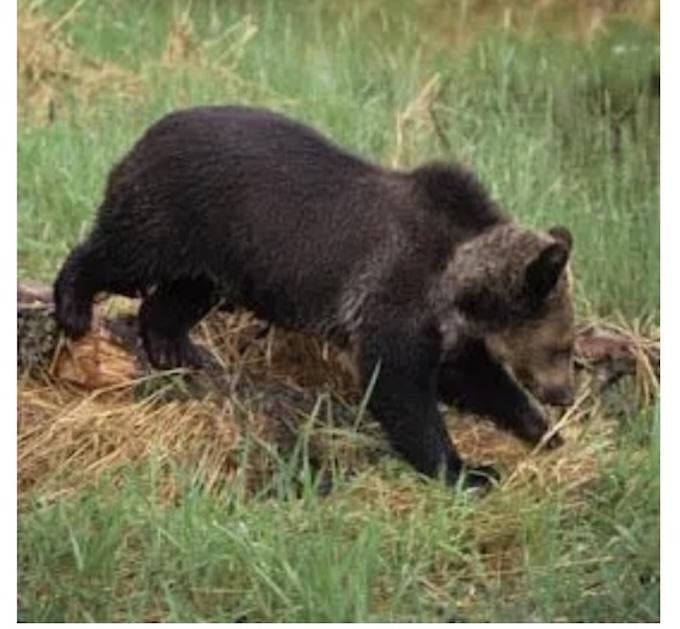
Grizzly Bear. The Buffalohorn and Porcupine drainages contain some of the best grizzly habitat outside of Yellowstone NP. Photo by George Wuerthner.
The Greater Yellowstone Coalition (GYC) has a new TV ad advocating support for the Greater Yellowstone Conservation and Recreation Act. The Act would designate wilderness for a portion of the Gallatin Range, south of Bozeman. Still, it would significantly REDUCE the potential wilderness protection for the Gallatin Range and almost assuredly increase recreational use of these mountains.
The Gallatin Range is a spectacular glaciated mountain range that runs south from Bozeman to Yellowstone National Park. These mountains are the last major unprotected landscape in the northern Greater Yellowstone Ecosystem. A minimum of 250,000 acres of the Gallatin Range, as advocated by the Gallatin Yellowstone Wilderness Alliance, should be designated wilderness under the 1964 Wilderness Act.
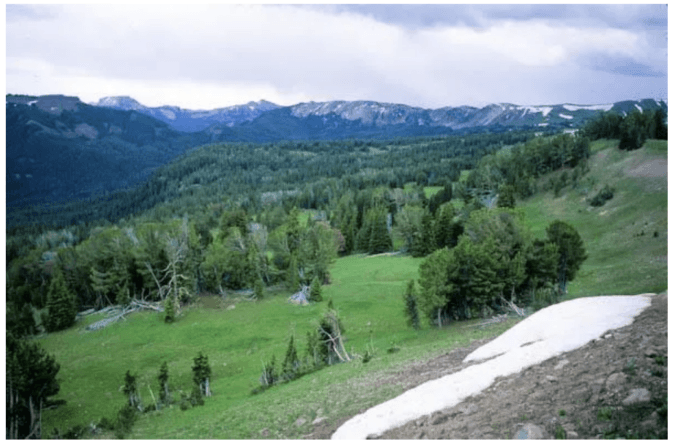
Big Creek headwaters at Windy Pass Gallatin Range, Gallatin NF, Montana. Photo by George Wuerthner.
GYC is among the members of the Gallatin Forest Partnership, which includes mountain bikers, ORV users, hunt and fishing organizations, the Blackfeet Tribe, and the big three conservation groups in the Bozeman area: GYC, The Wilderness Society, and Montana Wildlands (formerly Montana Wilderness Association), among other organizations.
The ad features a series of recreational users, including a speeding mountain biker, a fly fisherman, a couple on horses, and a runner. The ad says the GFP legislation will protect access to the range.
Given that the legislation names recreation as one of its key features, it’s not surprising that GYC says nothing in the ad about preserving non-human values such as wildlife habitat, biodiversity, carbon storage, or wildlands. It’s all about human recreational use.
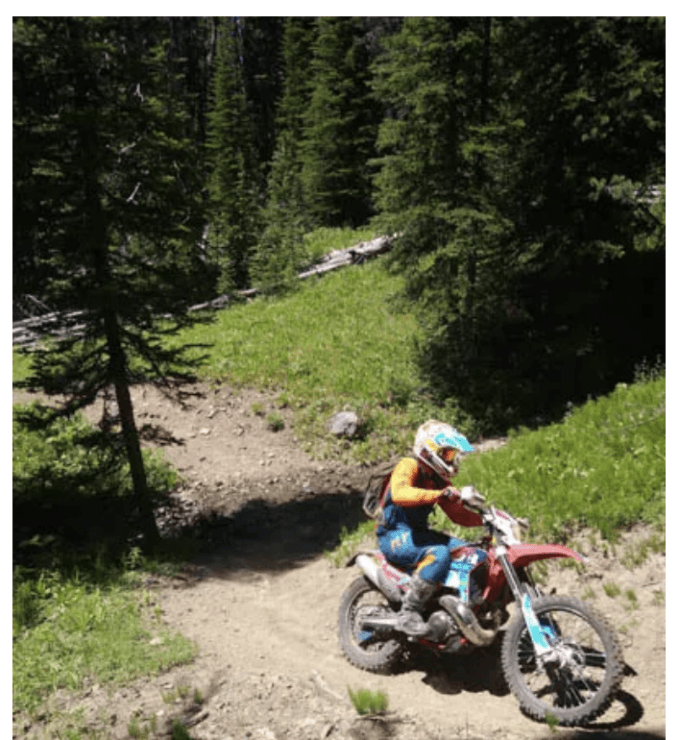
The Greater Yellowstone Conservation and Recreation Act would continue motorized use of critical wildlife habitat. Seen here is the Buffalohorn Drainage, one of the most important wildlife use areas in the entire range. Photo by George Wuerthner.
Though GYC’s name mentions the ecosystem, this ad says nothing about ecosystem integrity or wilderness or how protecting roadless lands from all forms of exploitation is critical considering climate change. The Greater Yellowstone all about making the Gallatin Range a playground.
The ad shows how far the organization has strayed from its initial origins and mission. Back in the early days, GYC focused primarily on real threats to the ecosystem, such as logging, mining, oil and gas development, rural subdivision, and, to a limited degree, even livestock grazing.
Nevertheless, back then, the organization consistently advocated for scientific analysis to portray the ecosystem’s ecological values. One of its primary messages was that the cumulative effects of all these activities pose a threat to the ecosystem’s landscape integrity.
Today, one of the most troubling cumulative impacts comes from recreational use—and yet this is the very activity featured in their ad. No mention of how this might affect sensitive wildlife, such as grizzlies or elk. Nothing about the cumulative effect of new trails or the new roads being built for forest logging in Hyalite Canyon and elsewhere.
And, of course, there is nothing about how the legislation will diminish wild land protections. The 1977 Montana Wilderness Act (S. 393) protected the Gallatin Range by designating the 155,000-acre Hyalite-Porcupine-Buffalo Horn Wilderness Study Area, which requires the Forest Service to manage the landscape for potential inclusion in the national wilderness system.
The legislation says, “The Wilderness Study Areas designated by this Act shall, until Congress determines otherwise, be administered by the Secretary of Agriculture to maintain their presently existing wilderness character and potential for inclusion in the National Wilderness Preservation System.”
The term “shall” is critical language. It means the Forest Service has no discretion but to preserve the wildland character of the area. In my view, the Custer Gallatin Forest Service has violated this mandate repeatedly by allowing motorized and mountain bikes (wheeled vehicles are prohibited in wilderness) in the Gallatin Range.
In recognition of its wildlands values, the Gallatin Range was initially included in the legislation creating the Lee Metcalf Wilderness in the Madison Range in the 1980s. However, during the legislative debate, the Gallatin Range was removed due to a legacy of railroad checkerboard alternative sections of land that some felt would complicate wilderness protections.
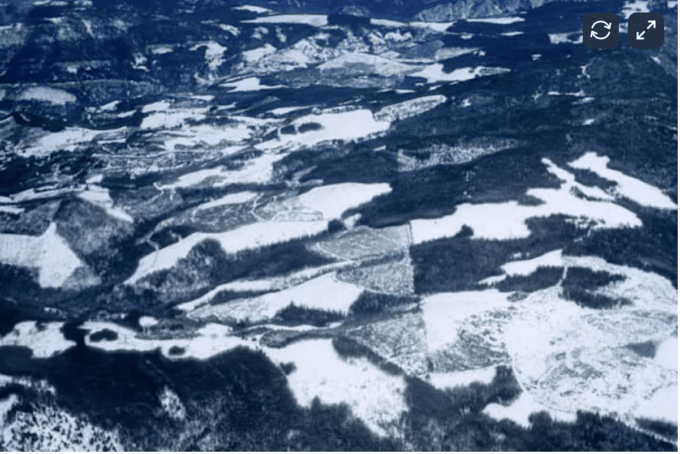
Clearcuts showing checkerboard ownership that was common prior to legislation in the 1990s that consolidated ownership to create potential for a large wilderness in the Gallatin Range. Photo by George Wuerthner.
In the 1990s, this issue was resolved by several legislative efforts that led to the removal of railroad checkboards with the express purpose that the roadless lands would eventually be designated wilderness.
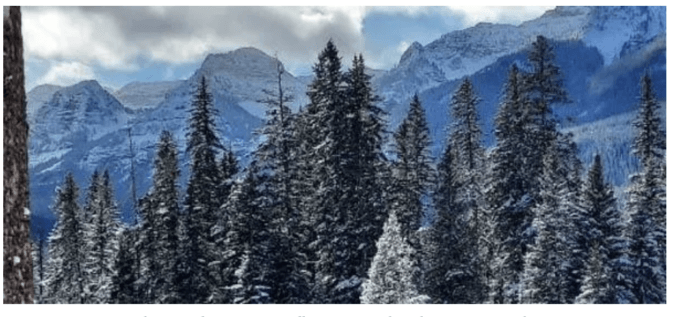
The range contains some of the best wildlife habitat in Montana. In particular, the Buffalo Horn and Porcupine drainages are critical lands for elk migration, grizzly bears, and numerous other species. In the northern part of the range, the South Cottonwood drainage is an essential northern extension and wildlife corridor of the larger wildlands.
All of these drainages are removed from the original S. 393 WSA boundaries by the Gallatin Forest Partnership legislation supported by GYC.
For more on the biological values of the Gallatin Range, see Lance Craighead’s report.
Apparently, GYC has not bothered to consult any ecologists or biologists, or it would have a difficult time rationalizing why it is proposing that the best wildlife habitat in the entire range be open to more recreational uses.
The Greater Yellowstone Conservation and Recreation Act would only include the 102,000-acre as wilderness of the potential 250,000 acres that qualify for wilderness designation. And this significantly reduces the 155,000 Hyalite-Porcupine-Buffalohorn WSA (HPBH) by 53,000 acres.
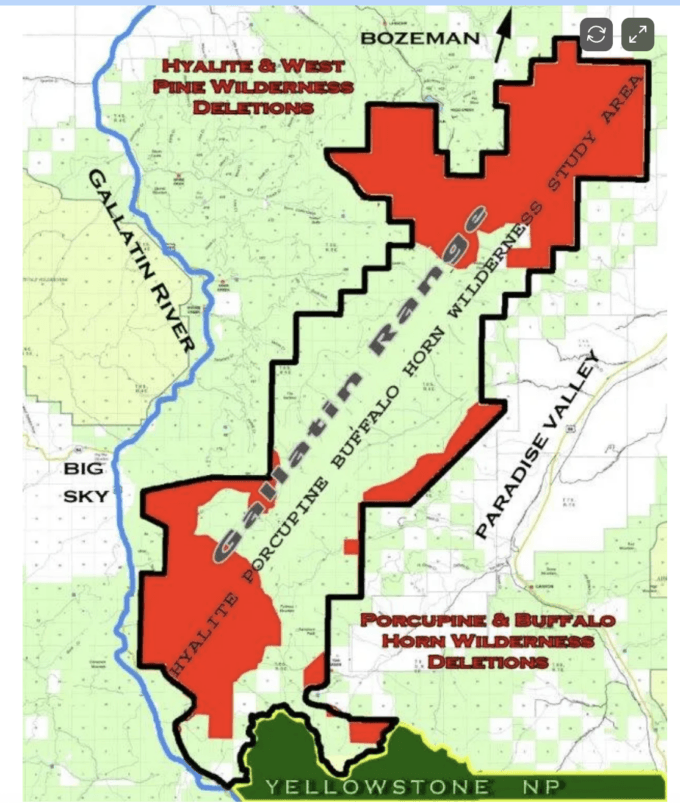
Red shows the areas that are currently in the WSA, but would be removed if the Greater Yellowstone Conservation and Recreation Act were passed.
Even more egregious, legislation removes WSA status for the Buffalohorn and Porcupine drainages, the most important wildlife habitat in the entire range, and creates weak protection as a “wildlife and recreation management area.”
It also removes another portion of the original HPBH WSA in West Pine by designating it a West Pine Wildlife and Recreation Management Area.
Finally, it removes WSA status for the South Cottonwood drainage by creating a 70,000 Hyalite Canyon watershed and recreation area that includes the Cottonwood drainage.
The Act also adds 22,000 acres of wilderness designation to the Lee Metcalf Wilderness and 15,000 acres in the Cowboys’ Heaven area of the Madison Range. Though I am advocate for maximum wilderness everything—neither of these areas are seriously in jeopardy from any resource exploitation.
The problem with all these “new” designations is that we have little idea how well they would work — or not — to preserve wildlands and wildlife, despite their names. What we do know is that designation as wilderness under the 1964 Wilderness Act is the Gold Standard for Conservation. Anything less than a wilderness designation is a diminishment of protection.
We aren’t creating any more large roadless areas. Indeed, due to the Trump administration’s many recent management decisions, including rescinding the Roadless Rule, advocating for more logging, reopening closed grazing allotments, and other executive decisions, we need wilderness designation more than ever.
The emphasis on recreation rather than biological protection is emblematic of the shift in values and mission that many so-called conservation organizations have undergone over the past couple of decades. Biodiversity and wildlands preservation are secondary to other values, including advocacy for recreational access, which apparently is now the main goal of GYC.