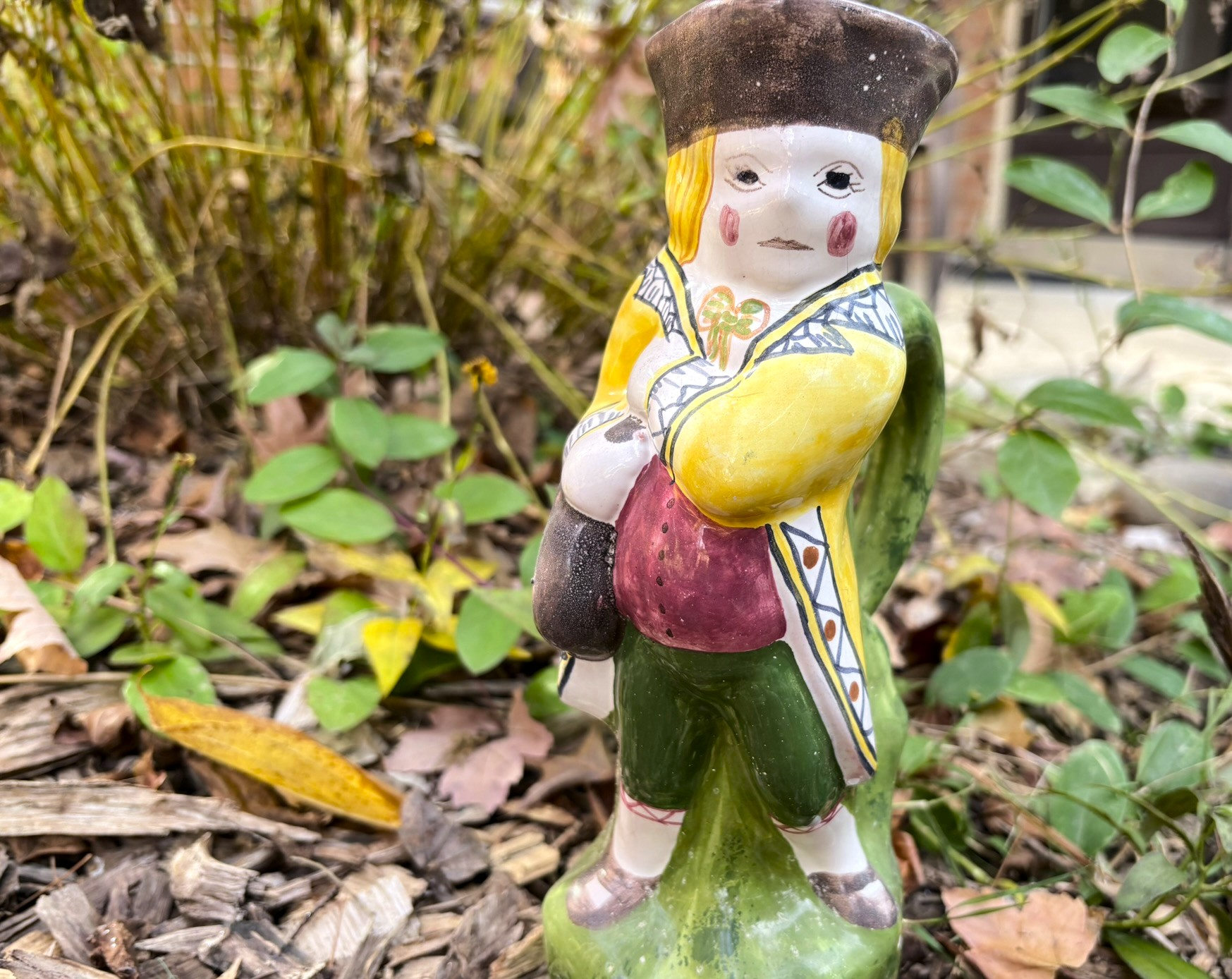
Photo by Lee Hall.
Ah, Thanksgiving. Native people welcoming pilgrims. Everyone sitting down to dinner together. A soothing story indeed—but no regular Thanksgiving holiday ever sprang out of a Mayflower passengers’ feast.
A quite different event was commemorated in the early Thanksgiving holiday. The incident happened in 1637. A group of English settlers planned a pre-dawn raid on native villages to chase the inhabitants away. But the Pequot community, established on land that’s now Connecticut, defended itself. The settlers reacted by setting the wigwams afire, and killing the indigenous villagers, including the children, by the hundreds. A few survivors were taken as spoils of war and sold into slavery.
The following year, the Treaty of Hartford declared that the Pequot people were finished. No survivors could ever return to their land, speak their native tongue, or exist as Pequot.
Yet some descendants of the Pequot survived through the centuries. They came to the attention of a nation of television viewers in 1993, when Donald Trump railed against the Pequot-held Foxwoods Resort Casino, which was competing with Trump’s Atlantic City businesses. Suggesting to Congress that Foxwoods was wrongly approved, Trump said: They don’t look like Indians to me.
Excuse the digression. Back in the 18th century, John Winthrop, governor of the Massachusetts Bay Colony, made the massacre date an annual holiday. The holiday spread beyond New England when George Washington called it a time for public thanksgiving and prayer. And in the 19th century, Abraham Lincoln made it official, turning the date into the federal Thanksgiving holiday. That was just months after Lincoln permitted the largest mass execution in U.S. history, the December 1862 public hanging of 38 Dakota men in Minnesota.
Happy Thanksgiving.
Under the string of U.S. administrations, more than 1.5 billion acres have been thankfully, prayerfully swiped from the people who had lived on the continent for some ten thousand years. Given the vicious disrespect shown to Indigenous peoples, it’s hardly surprising that we fail to respect plains, mountains, rivers, and the living Earth. And perhaps it’s not surprising that our government would fund modern-day genocidal wars.
The Lenni Lenape (Delaware) people once lived on the land where I’m sitting now. Our downtown is named after General Anthony Wayne. This “Revolutionary leader and Indian fighter” is featured in Alfred D. Crimi’s Post Office mural, standing over a fallen Indigenous resister in the Battle of Fallen Timbers. The body is presented as the final barrier the Europeans settlers had to step over to claim the Northwest Territory.
Is this what we commemorate this week? Getting to live on stolen land? Wouldn’t an honest commemoration involve working to overcome the settler colonial mindset? Wouldn’t it lift up the quest for liberation of all living communities who exist under others’ coercive control?
Much of the land taken by the United States is now buried under feedlots and feed crops. And much is being pillaged for profit—for mining companies, “green” energy, and, in Joshua Frank’s words, the AI hucksters.
May we defend and sustain those who resist.