
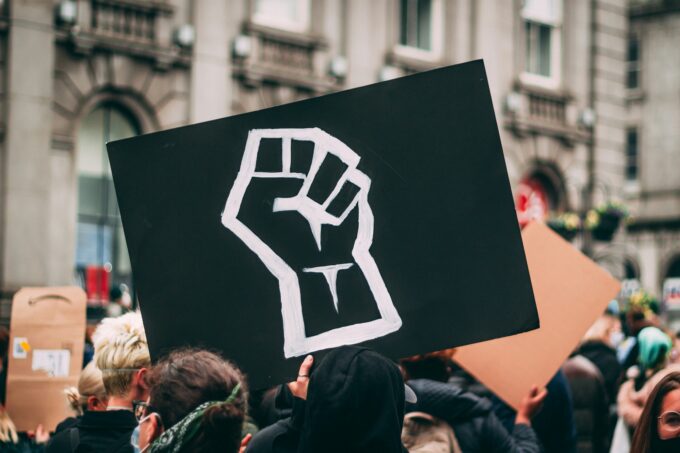
Image by Chris Sansbury.
The following is an abridged excerpt from Fired Up About Unions by Cole Rockarts, Between the Lines, which will be officially published on October 27th. To hear Cole on CounterPunch Radio, tune in here.
In 2022, Kim Kardashian lit the internet aflame when she proclaimed, “It seems like nobody wants to work anymore.” But for some people (particularly young people), it’s not that we don’t want to work, but that we aren’t interested in traditional jobs that offer little more than two weeks of vacation. Most workers today feel that we have been priced out of a decent future. We may be wrestling with student loan debt, and we have little hope of affording a home, supporting a family, or saving for retirement.
Today, as in the past, workers have little say over key decisions that affect our lives. Most of us spend eight or more hours a day under our bosses’ control, accepting limited rights at work. Some workplaces are better than others, but the workplace hierarchy still gives us less freedom on the job than we have in our lives outside of work. At work, we’re most often told what to do, when to do it, and how to do it.
For a lot of us, work sucks. Toxic cultures, lack of respect, and high turnover; unsafe conditions, harassment, surveillance, and poor training. Workers are left frustrated, with no control over our work environments. Capitalism affects every part of our lives. We must work for someone else to earn the money we need to survive. We rely on systems focused on profit to access basic needs like food, housing, and health care. As workers, we sell our labour. But the profits from our work go to our bosses (or sometimes, people we’ve never even met, like shareholders), not us.
For workers who are marginalized (because of their race, gender, sexual orientation, disability, or educational background), it’s particularly important to get fairness, respect, and dignity on the job. Unions and their members fight for equity: protections against harassment and discrimination, pay equity, and more. Unions play a vital role in fighting for dignity at work and addressing identity-based discrimination and bias. The conflict between workers and bosses doesn’t come from people being inherently bad or good. It’s systemic. Employers make money by getting the most work out of employees for the lowest wage possible. Under capitalism, companies prioritize profit over what’s best for their workers. 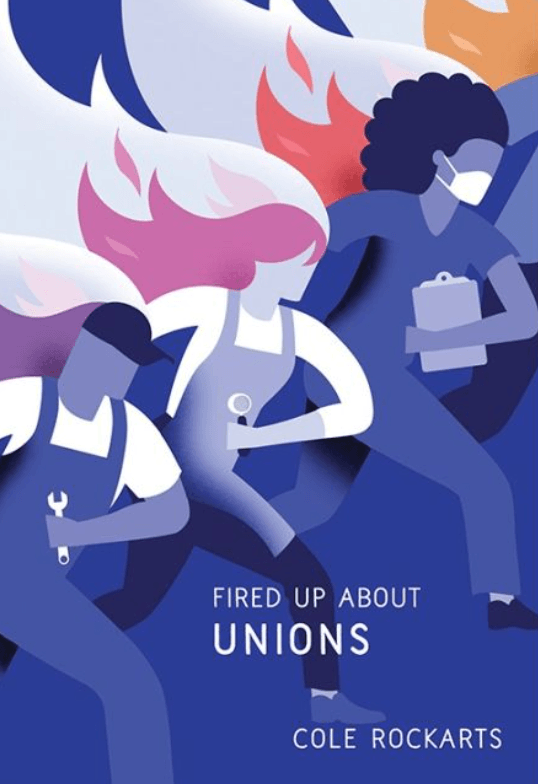
Every day, we experience this imbalance of power in our economic system. A small group of owners, shareholders, and directors holds all the control, while most workers are excluded from decision-making. But it doesn’t have to be like this. We could transform the economy and create a system where people have agency at work and more control over their lives.
Not for.
Unions are not just economic actors, but also political and social organizations with the power to reduce inequality. Unions have a long history around the world of making political demands for universal health care, worker ownership and profit sharing, and the expansion of social programs. So supporting unions and buying union-made products isn’t just about solidarity with union workers. Raising the number of unionized workers is a concrete way to reduce income inequality and build a stronger, fairer economy. Not just through contracts but through policies that benefit all working people, like affordable housing, fair scheduling, and good jobs.
Union coalitions can expand our vision not only of what is possible but also of what workers deserve. That could include taxing the rich, subsidizing basic needs like transportation and health care, and improving access to services and education.
Young people today don’t want jobs with low pay, harsh conditions, or schedules that make it impossible to enjoy life outside of work. Many find themselves in part-time, low-wage jobs in sectors like retail, hospitality, and food service. The rise of the gig economy has shifted the traditional, stable job model to one based on insecure and unpredictable work. Precarious work (temporary, part-time jobs without benefits or job security) affords limited opportunities for advancement. Workers are offered dead-end job opportunities that provide no stability and can without warning result in underemployment or sudden unemployment.
Many workers today lack meaningful job security. Mass layoffs and restructuring to incorporate artificial intelligence (AI) add pressures that make us more vulnerable than ever to sudden job loss. In a union, employers need “just cause” in order to fire you. This is an important form of job security included in union contracts. Your boss cannot fire (or discipline) anyone without having a legitimate reason for doing so.
Unions are about more than contracts—they’re about power. My book begins with a simple truth: Workers join unions because they want fairness, respect, and dignity on the job. Pay raises and benefits matter. But at its heart, a union is a tool that can turn individual frustration into collective strength.
Unions are only as strong as their members. Leaders and institutions matter, but the future of labour will be decided by whether ordinary workers show up, organize, and claim their role in shaping and exercising their collective power. My book is ultimately about how workers can lead and are leading. It’s about reimagining unions, transforming our workplaces, and winning real, lasting change together.
Unions aren’t perfect. But I continue to believe that they remain one of the best tools workers have. They give us structure, resources, and a fighting chance. As the old labour anthem goes: “Without our brain and muscle, not a single wheel can turn.”
We have the power. It is up to us as workers to give our labour or to withhold it. And when we’re organized, we can use that power to shut the system down and build something better.


